The Rise of Spiritual Curiosity and the Ubud Phenomenon

For most of my life, spirituality was a dirty word. If uttered in a family or professional context, it was certain to receive looks of derision or a raised eyebrow.
What wasn’t understood, was immediately dismissed. The discomfort of not knowing was unconsciously replaced with rational superiority. Not knowing was weakness and not tolerated.
Whether at the dinner table or a case discussion at work, the visible, measurable world was gospel. The unseen or unproven, devalued.
You may have guessed, I am a product of the Western world. We revere iPhones, antibiotics and Teslas and ignore (or outright dismiss) things that are more difficult to quantify—intuition, flow states, feelings of connection, and the power of nature.
This isn’t surprising.
Science has brought measurable gifts: medicine, space travel, transport, mass food production and advanced agriculture. We see their impact daily. Many are also heavily marketed to us.
Meanwhile, the traditional gatekeeper of the unseen – organised religion – is in decline.
This decline has left a spiritual-sized hole in our culture. Where do we go to feel connected to something greater?
While organised religion is shrinking, strict atheism is barely growing. The void left by religion isn’t being filled by non-belief. People still need meaning.
Thus, agnosticism and personal spirituality are rapidly expanding. The so called SBNR (‘spiritual but not religious’) group is seeing the most growth, highlighting the human need for a personal spirituality framework.
Whether this need represents a deeper reality or is merely a quirk of our meaning-seeking minds is a debate for another day. But let’s assume the former.
And that’s why spiritual curiosity deserves attention.
What is Spiritual Curiosity?
Spiritual curiosity is interest in the unknown. For some, it is the seedling of a more defined personal spirituality.
Most people don’t talk about it unless prompted – if you ask them whether they believe in God or something bigger, they’ll pause. Yet almost everyone has considered what they believe in.
Some say they don’t go to church but hold private beliefs. Others remain agnostic but engage in practices like yoga or meditation, open to unseen possibilities.
The Spectrum of Spiritualism
At the mildest end of this spectrum, people engage in self-care, fitness, or creative activities, and, without realising it, stumble upon a form of spirituality.
Meditation, running, yoga, sex, travel, hiking – even reading – can produce moments of profound connection, growth, peace and awe.
I call this Level 1 Spiritual Curiosity – those who unknowingly experience spirituality through everyday actions.
Some might dismiss this as “chasing a high”. But what does the high represent? Even going to church can be seen as chasing a high.
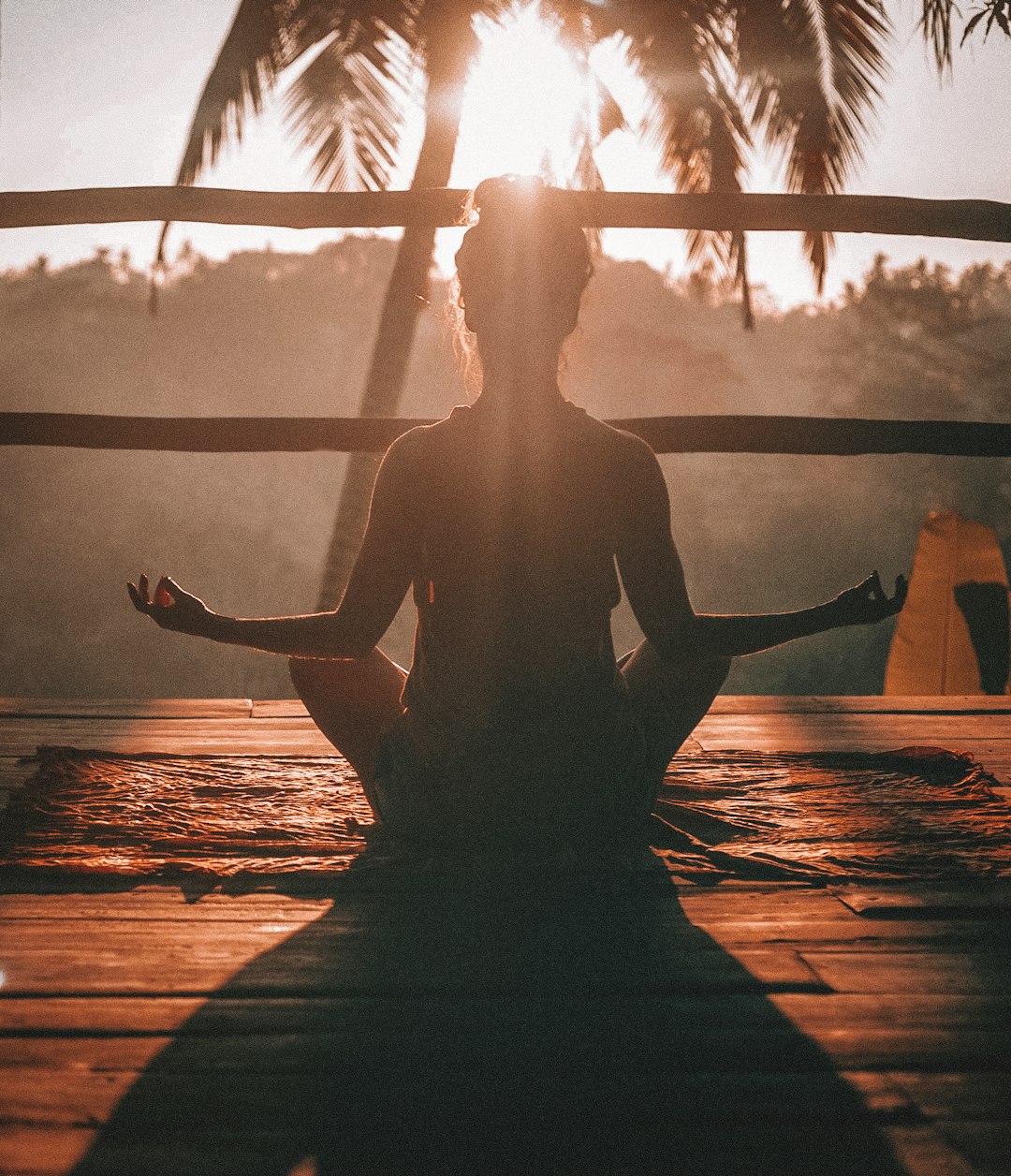
Level 2 Spiritual Curiosity emerges when people recognize that certain activities connect them to something beyond themselves and begin to seek them out for that reason.
For example, the long-distance runner who transcends pain into a place of pure flow. The meditator who quiets the mind. The yogi who feels complete peace in savasana.
These are profound experiences – not just passing moods. They transport people into altered states of consciousness that feel distinct from normal waking life.
Rationalists – the rugged scientists – might say these states are purely biological: neural activity, neurochemical cascades. And yes, they are.
But is that all they are?
Love, after all, is just a neurochemical cocktail of oxytocin and dopamine. That doesn’t make it any less real.
Science has mapped the correlates:
- Meditation produces theta and gamma waves, like deep creativity and dreaming.
- Runners report 'flow' – a surge of endorphins, endocannabinoids, and dopamine.
- Even intuition, once dismissed as mystical, is now understood as rapid subconscious pattern recognition.
These states may be biological, but that doesn’t mean they aren’t profound.
Even with these explanations, the bigger question remains: What drives these experiences? Why do they feel so profound?
Perhaps we’ll have clearer answers in time – just as we now do for things once considered unknowable: disease, planetary motion, even quantum mechanics.
For now, spirituality remains the placeholder for the unexplained.
Level 3 Spirituality is where curiosity shifts into conviction. It’s no longer about experiencing the unknown; it’s about believing in something beyond logic and measurement.
You may not have asked for a rating scale, but I like to categorise, so here we go:
Spiritual Curiosity Breakdown
- Level 1: Unintentional Curiosity – Engaging in activities that bring connection, growth, awe, or peace without seeing them as spiritual.
- Level 2: Conscious Curiosity – Actively seeking experiences that expand consciousness (e.g., meditation, flow states). True spiritual curiosity.
- Level 3: Fully Spiritual – Embracing belief in something unseen or greater and actively practicing it.
Where do you fall?
The Ubud Phenomenon
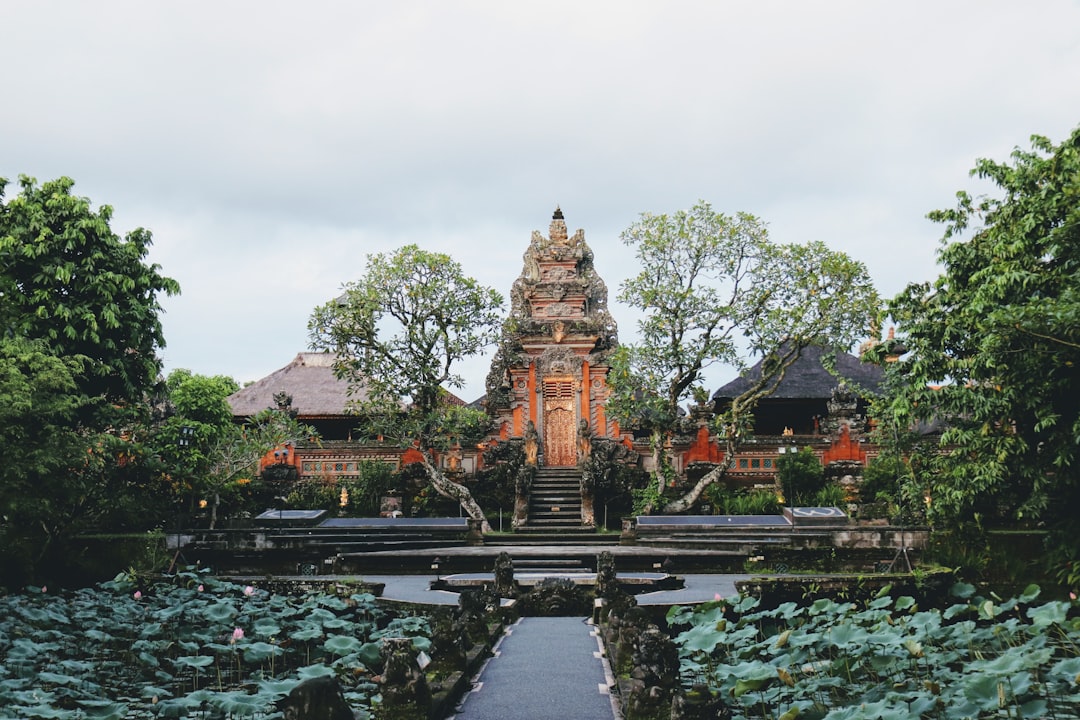
Which brings me to an Eastern turned Western spiritual hub.
A place where seekers, mystics, and the spiritually curious gather, hoping to turn their fleeting moments of connection into something more, one ceremonial cacao at a time.
That place is Ubud.
If you’re unfamiliar, Ubud is Bali’s spiritual and healing hub. Featured in Eat, Pray, Love, it’s where Elizabeth Gilbert, played by Julia Roberts, came after Italy (Eat) and India (Pray) to find love.
Ironically, no one finds love in Ubud.
Well, almost no one.
Among expats, it’s understood: most people are here on inward journeys, purging their pasts – partners included. Love, when it happens, is often transient or a passionate flame that burns out.
That’s why, before I watched Eat, Pray, Love (I never got around to reading it), I assumed the Pray section was in Ubud.
Walk into local venues, even beyond The Yoga Barn (some never leave), and you’ll see it: people in robes, cacao ceremonies, and tarot readings over green juices.
After living in Ubud, I caught myself saying “energy”, “quantum realm”, and “vibration”—words my past self would have ridiculed.
And yet, here I am. I don’t fully embrace the rationality or science behind the concepts these words are connected to, but I do appreciate they connect to something science cannot explain adequately yet.
So, I’ve moved from Level 1 to Level 2 Spirituality. The stage is set for Level 3.
And because this shift feels so profound, I thought I’d summarise some reasons I shifted:
- Rational thought has limits. It can actively block people from considering that some things lie beyond its reach. We may never understand everything, so let’s get used to it.
- Openness shapes experience. If you don’t allow for something great to happen, it probably never will.
- We are 99.999999% energy. Atoms are mostly empty space, held together by forces we barely understand. We see ourselves as being matter, yet, like everything else, we are mostly energy and subject to energetic laws.
- Manifestation might be real. After months of failing to sell my house, I tried a manifestation meditation. The next day, I got an offer. Coincidence? Maybe.
- Spirituality enhances life – even if it’s all in our heads. Better neural function, greater connection, parasympathetic activation. The benefits outweigh the risks (aside from people thinking you’re a bit weird).
- Truth feels different. When someone speaks truth, you feel it. Clarity, conviction, and linguistic precision create a resonance that’s hard to ignore. Some spiritual teachers speak truth.
Remarkably, as I’ve leaned into spiritual curiosity, I’ve become more convinced of science. The best scientists, after all, are spiritual thinkers.
(hat tip to my friend Dr Kieran Fox, you can listen to my discussion with him based on his book, I Am a Part of Infinity: The Spiritual Journey of Albert Einstein.)
So, wherever you are on your spiritual journey, I invite you to own it.
Where are your limits? Where is your growth?
For me, Ubud is an edge – some of the colonial spiritual woowoo is difficult to take. Spiritual bypassing is common. Yet, spiritual practices – such as meditation, yoga or whatever brings you to a deeper sense of self or connection with something greater – are undoubtedly powerful tools for anyone interested in personal growth.
PS: If any of this sparks curiosity about how you might level up, I’m available for 1:1 consulting work here